CL and IL Soil Standards in British Columbia: What Project Teams Need to Know
CL and IL Soil Standards in British Columbia: What Project Teams Need to Know
When a soil characterization report identifies concentrations against CL or IL standards, understanding what those terms mean is important before making decisions about the material.
In British Columbia, CL refers to commercial land use and IL refers to industrial land use within the Contaminated Sites Regulation. These land uses are part of the framework used to establish environmental quality standards for contaminated sites.
For contractors, environmental consultants and project teams, the important point is that CL and IL are not simply labels attached to excavated soil.
They relate to the standards applicable to particular land uses.
What Do CL and IL Mean in British Columbia?
British Columbia's Contaminated Sites Regulation establishes environmental quality standards for different land uses.
These include commercial and industrial land uses, commonly identified as CL and IL.
The applicable standards establish concentrations against which substances in soil can be assessed.
This matters because acceptable concentrations are not necessarily identical across every land use or receiving site.
The land use and applicable regulatory standards need to be considered when soil analytical results are evaluated.
What Does CL+ or IL+ Mean?
In project and industry discussions, terms such as CL+ or IL+ may be used to describe soil containing concentrations above the applicable commercial or industrial land use standards.
However, project teams should rely on the actual analytical results and applicable regulatory requirements rather than shorthand terminology alone.
The characterization report provides the concentrations identified in the material.
Those results can then be assessed by the appropriate Qualified Professional against the standards and requirements applicable to the project.
Why Do Land Use Standards Matter?
British Columbia's contaminated-sites framework uses different standards because the regulatory assessment considers how a site is used.
Commercial and industrial land uses are among the land-use categories addressed by the regulation.
When soil is being considered for relocation, the proposed receiving site also matters.
Under the Contaminated Sites Regulation, whether soil is prescribed as waste in relation to a receiving site depends on how concentrations in the soil compare with standards applicable to that receiving site, subject to specified exceptions.
This is why identifying a material simply as "CL soil" or "IL soil" does not provide the complete picture.
The actual concentrations and proposed receiving site remain important.
What Contaminants Can Be Relevant on Commercial and Industrial Sites?
The contaminants of concern on a particular project depend on the site's activities and history.
Depending on the site, characterization may investigate substances associated with historical or current commercial or industrial activities.
These can include hydrocarbons, metals, salts and other substances.
The substances that need to be investigated should be determined based on the applicable regulatory requirements and professional assessment of the site.
Hydrocarbon Impacted Soil
Petroleum hydrocarbons can be associated with activities involving fuels and petroleum products.
Where hydrocarbons are identified during characterization, the analytical results provide information about the substances and concentrations present.
Those results can then be considered when evaluating applicable standards and potential receiving options.
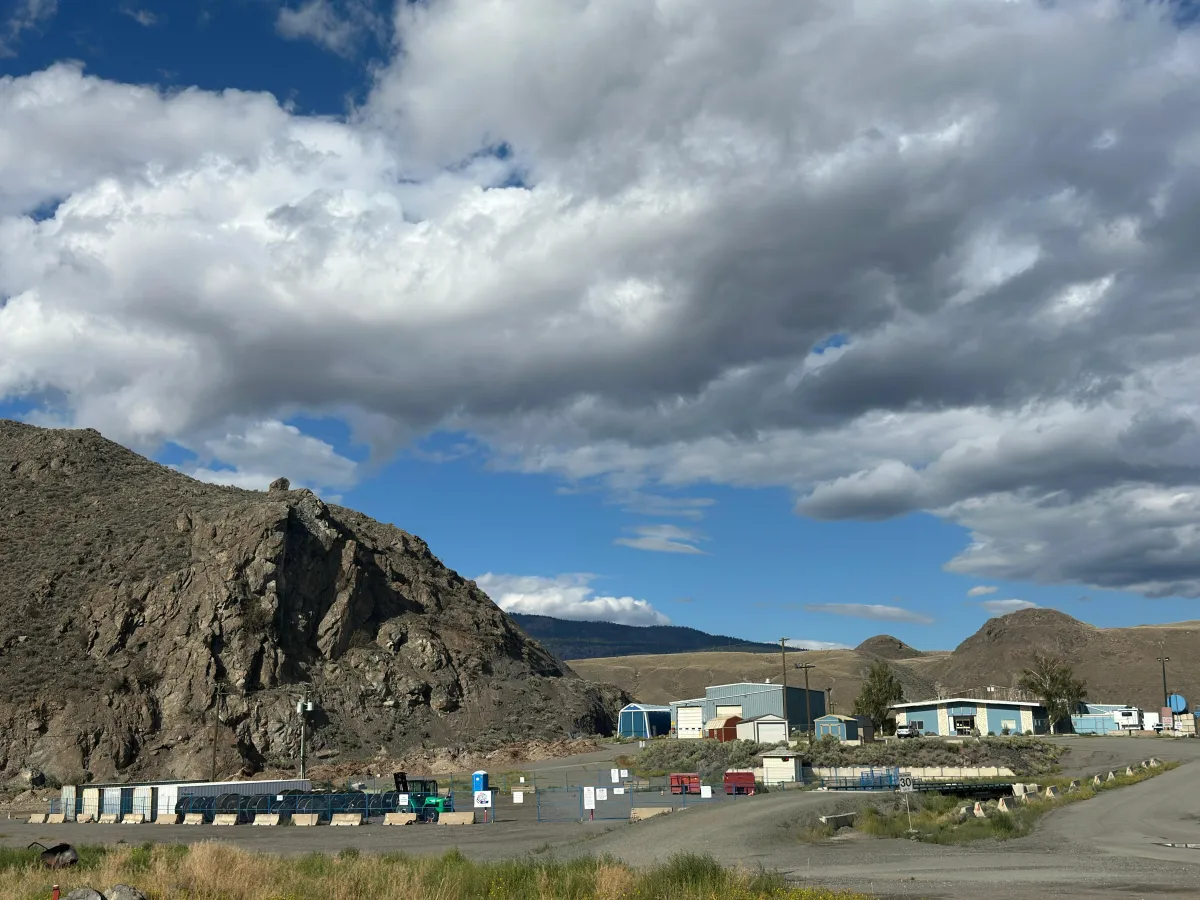
Cache Creek #1 Logistics can receive and manage complex CL+ and IL+ hydrocarbon impacted soil, subject to review of the specific material and project requirements.
Metal Impacted Soil
Metals can also be identified during the investigation of commercial and industrial properties.
The presence of a metal does not by itself establish how soil must be managed.
The substance, concentration, applicable standards and project circumstances need to be considered.
Cache Creek #1 Logistics can receive and manage complex CL+ and IL+ metal impacted soil, including material with ARD leaching profiles, subject to project specific review.
Salt Impacted Soil
Salt impacts can also occur at some commercial and industrial sites.
As with other substances, analytical results and applicable standards are important when evaluating the material.
Cache Creek #1 Logistics can receive and manage complex CL+ and IL+ salt impacted soil, subject to review of the soil profile and project requirements.
What If More Than One Contaminant Is Present?
Not every soil profile involves a single substance.
Characterization can identify multiple contaminants within the same material.
For example, a project may encounter a profile involving hydrocarbons together with metals or salts.
When multiple contaminants are present, the complete analytical profile needs to be considered when evaluating the material against applicable standards and potential receiving options.
Cache Creek #1 Logistics can receive and manage mixed contamination profiles involving hydrocarbons, metals and salts, subject to project specific acceptance.
Does Exceeding a CL or IL Standard Automatically Determine Where Soil Can Go?
No.
An exceedance provides important information about how concentrations compare with an applicable standard, but it does not by itself identify a receiving destination.
British Columbia's soil relocation framework considers the soil in relation to the proposed receiving site and applicable regulatory requirements.
A Qualified Professional should determine the regulatory requirements and classification applicable to the particular project.
A potential receiving facility can then review the soil information against its own acceptance requirements.
What Information Should Project Teams Have Available?
When evaluating a potential receiving option for complex soil, useful project information can include:
Soil characterization and analytical results
Source site information
Substances identified and their concentrations
Estimated material volume
Project schedule
Other available documentation relevant to the material
Providing the complete available soil profile allows a potential receiving facility to evaluate the material rather than relying on a general CL+ or IL+ description.
Frequently Asked Questions
What does CL mean in a BC soil report?
CL refers to commercial land use within British Columbia's contaminated-sites regulatory framework. Commercial land-use standards are among the standards used to evaluate concentrations of substances in environmental media.
What does IL mean?
IL refers to industrial land use. The Contaminated Sites Regulation establishes standards applicable to industrial land use as part of BC's contaminated-sites framework.
Is CL+ or IL+ an official soil type?
CL and IL are regulatory land-use abbreviations. CL+ and IL+ are commonly used shorthand to indicate an exceedance of a commercial or industrial standard, rather than distinct types of soil. The analytical results and applicable regulatory standards provide the more precise information.
Can soil contain more than one contaminant?
Yes. Analytical testing can identify multiple substances in the same soil profile. The concentrations and applicable standards need to be considered when the material is evaluated.
Can Cache Creek receive CL+ and IL+ impacted material?
Cache Creek #1 Logistics can receive and manage a range of complex CL+ and IL+ soil profiles, including hydrocarbon impacted, metal impacted, salt impacted and mixed contamination, as well as material with ARD leaching profiles.
Project information should be reviewed before hauling to determine whether the specific material is appropriate for acceptance.
Working With a CL+ or IL+ Soil Profile?
If characterization has identified a complex commercial or industrial soil profile, Cache Creek #1 Logistics can review the available analytical information and project details.
Send our team the soil characterization, estimated volume, source location and project timing to discuss whether Cache Creek is an appropriate receiving option.
Sources and Further Reading
British Columbia Contaminated Sites Regulation, B.C. Reg. 375/96
Province of British Columbia, Contaminated Sites Guidance and Resources
Province of British Columbia, Soil Relocation Information and Guidance

