Japanese Knotweed on Your Job Site: What Happens After Removal
Quick Answer
Removing Japanese knotweed from a site doesn't end the compliance risk — how the excavated material is transported and disposed of is what actually determines whether the infestation spreads further. BC guidelines call for disposal at a site close to the original location, prohibit composting, and recommend the material be left undisturbed once deposited. For landscaping and removal companies, that disposal step is often the part that adds the most coordination burden after the removal work itself is done.
Why Disposal Is the Part That Actually Matters
Japanese knotweed spreads through rhizome fragments — small sections of root that can regenerate into new plants. A knotweed root system can extend outward as much as 20 metres underground from the visible plant, which means the soil around a removal site can carry viable rhizome material well beyond where the plant was actually growing. Once that material is excavated, moving it carelessly — dumping it, mixing it with clean fill, or transporting it without containment — is exactly how new infestations start at a second location.
That's why BC's excavation and disposal guidelines exist: removal alone doesn't solve the problem if the disposal step isn't handled correctly.
Need a Compliant Disposal Partner for Knotweed-Infested Material?
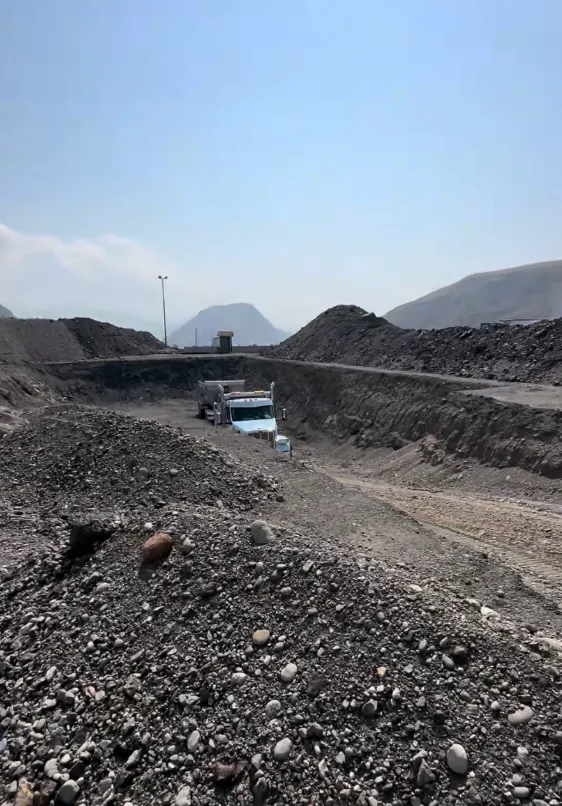
Cache Creek Solutions processes knotweed-infested soil and material for landscaping and removal companies across the Lower Mainland and Interior BC, handling the disposal step so it doesn't sit on your project timeline after removal is complete.
What BC's Guidelines Actually Require
BC's Ministries of Forests and Transportation and Infrastructure have published guidelines for the excavation, transport, and disposal of invasive knotweeds and knotweed-infested soil. A few requirements stand out for anyone managing a removal project:
A disposal location close to the project is recommended — this reduces the risk of new introductions and spread as material is transported.
Once material is deposited at a disposal site, it should not be moved again. Repeated handling increases the chance of fragments breaking off and re-establishing elsewhere.
Composting is not an option. Residential and most commercial composting processes don't reach temperatures high enough to destroy knotweed seeds or rhizomes — composting knotweed material is a known way infestations spread rather than get eliminated.
Material should be kept separate from regular yard waste. Mixing knotweed material into general green waste risks spreading it through a facility that isn't set up to contain it.
A field assessment is often warranted before excavation, particularly where the project footprint is within about 100 metres of confirmed knotweed presence, since it's likely the plant's root system extends further than what's visible above ground.
Where Disposal Fits Alongside Removal Work
Removal and disposal are two different parts of a knotweed project, and most removal companies focus their expertise on the excavation and treatment side — that's where the specialized skill is. Partnering with a dedicated disposal facility for the material handling step means the removal team's project timeline isn't tied to sourcing a compliant destination for every job. It's simply splitting the work along the lines where it naturally divides.
Frequently Asked Questions
Can Japanese knotweed be composted? No. Standard composting doesn't reach the temperatures needed to destroy knotweed seeds or rhizomes, and composting is a known pathway for the plant to spread rather than be eliminated.
How far can knotweed roots extend underground? Root systems can radiate outward up to 20 metres from the visible plant, which is why soil well beyond the plant's visible footprint may still carry viable rhizome material.
Does knotweed-infested soil need to go to a specific type of facility? It should be kept separate from regular yard waste and disposed of at a facility equipped to handle it appropriately, rather than mixed into general green waste streams.
Is it safe to move knotweed material once it's already been deposited at a disposal site? No — BC guidelines recommend against moving material again once deposited, since additional handling increases the risk of fragments spreading.
Do I need an environmental professional involved before excavating? BC guidance recommends a field assessment by a Qualified Environmental Professional when a project footprint is near confirmed knotweed presence, to properly assess the plant communities involved before work begins.
This article reflects guidelines published by the BC Ministries of Forests and Transportation and Infrastructure for the excavation, transport, and disposal of invasive knotweed as of 2026. Requirements can vary by project and location; anyone managing a knotweed removal project should confirm current requirements directly with the relevant BC ministry or a qualified environmental professional.
Sources:
BC Ministries of Forests and Transportation and Infrastructure — Guidelines for the Excavation, Transport & Disposal of Invasive Knotweeds & Knotweed Infested Soil: https://www2.gov.bc.ca/assets/gov/environment/plants-animals-and-ecosystems/invasive-species/publications/knotweed_excavation_disposal_guidelines.pdf
Fraser Valley Invasive Species Society — Disposal Information: https://fviss.ca/disposal

