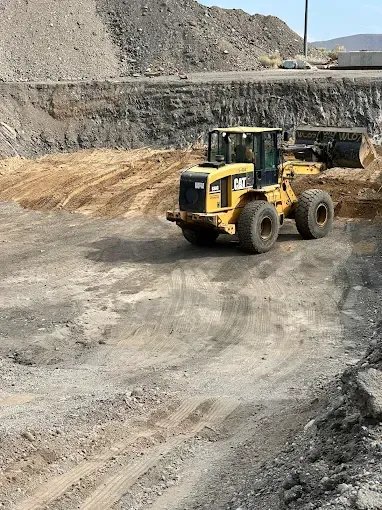
When to Involve a Regulated Material Processing & Logistics Partner in British Columbia
Executive Summary
On many projects in British Columbia, regulated material processing and logistics partners are engaged only after excavation is underway. While this is a common and understandable pattern, timing can influence how much flexibility a project retains once regulated or suspect materials are encountered.
This article outlines when project teams commonly involve a regulated material processing and logistics partner, what typically triggers those conversations, and why earlier discussions often make coordination easier. It is written as an operational reference and reflects patterns observed across construction, excavation, landscaping, and municipal projects in British Columbia.
Why teams are often unsure when to reach out
Unlike excavation or hauling, regulated material logistics does not always feel like a standalone task during early project planning. In many cases, teams assume disposal details can be confirmed later, once material conditions are better understood.
This approach works in some situations. In others, it can compress decision-making into later project stages when schedules are tighter and fewer options are available.
From an operational perspective, uncertainty often comes down to timing:
When is there enough information to start a conversation?
What decisions need to be made early?
What can reasonably wait until excavation begins?
Common points when regulated material partners are engaged
Across projects in British Columbia, regulated material processing and logistics partners are most often engaged at one of three stages.
1. During pre-construction or early planning
Some teams initiate early discussions when project documentation, site history, or specifications suggest regulated or suspect materials may be encountered.
At this stage, conversations often focus on:
Possible handling and routing scenarios
Disposal pathways that may be appropriate
Documentation considerations that could apply
Whether drop-off or scheduled pickup may align with site conditions
These discussions do not require full certainty. Instead, they help teams understand what questions may need to be answered later as work progresses.
2. Early in excavation, once conditions are confirmed
This is the most common engagement point.
Once excavation begins, material characteristics, volumes, and site constraints become clearer. Teams often reach out at this stage to:
Validate disposal assumptions against actual site conditions
Confirm receiving pathways before material is moved offsite
Align hauling and processing with excavation sequencing
Clarify documentation responsibilities before activity ramps up
Engaging at this point often allows projects to adjust calmly, while schedules are still flexible.
3. Mid-project, when questions surface under pressure
In some cases, partners are engaged later, after hauling has been scheduled or material has already been exposed.
At this stage, conversations are often driven by:
Unexpected material conditions
Routing or documentation questions that arise suddenly
Schedule impacts tied to disposal uncertainty
While support is still possible, options may be more limited and coordination may require additional effort across teams.
Why earlier conversations tend to be easier
Early engagement does not eliminate uncertainty, but it often changes how uncertainty is managed.
When regulated material processing and logistics are discussed earlier:
Disposal pathways can be reviewed before hauling begins
Documentation steps can be integrated into site workflows
Logistics can be aligned with excavation pace
Adjustments can be made without disrupting production
Later in a project, those same decisions may still need to be made, but often with tighter timelines and fewer alternatives.
What support typically looks like in practice
Involving a regulated material processing and logistics partner does not mean transferring project responsibility.
In practice, support often includes:
Reviewing handling and routing assumptions based on site conditions
Discussing drop-off versus scheduled pickup options
Coordinating logistics with licensed receiving pathways
Supporting documentation readiness aligned with transportation and processing
The goal is typically to reduce coordination friction and help teams move forward with clarity.
How this fits into broader disposal planning
Regulated material processing and logistics sits at the intersection of material handling, transportation, documentation, and receiving facility coordination.
Projects that treat these elements as a connected workflow often find it easier to manage changes when conditions evolve.
When Cache Creek #1 Logistics is often involved
Projects in British Columbia commonly engage Cache Creek #1 Logistics when regulated or suspect materials are anticipated or encountered and disposal-related decisions are being reviewed ahead of material movement.
This may include:
Early-stage discussions around disposal pathways
Comparing drop-off and scheduled pickup options
Preparing field-ready logistics and documentation workflows
Cache Creek #1 Logistics operates as a licensed processing and regulated material logistics partner, supporting practical disposal, transportation, and documentation workflows for materials we are certified to handle. Acceptance of material is subject to confirmation of material details and applicable requirements.
Frequently Asked Questions
When is the best time to involve a regulated material logistics partner?
Many teams find early excavation to be an effective time, once site conditions are clearer but before schedules tighten.
Is early engagement useful if material conditions are uncertain?
Yes. Early discussions can help identify potential pathways and planning considerations even when certainty is limited.
Does involving a partner mean committing to a disposal method immediately?
No. Early conversations are often exploratory and focused on understanding options rather than making final decisions.
Can Cache Creek #1 Logistics assist with documentation planning?
Yes. Cache Creek #1 Logistics supports documentation readiness for regulated materials we are certified to process, including coordination between routing, transportation, and receiving requirements.
Next-Step Considerations
If your project in British Columbia may involve regulated or suspect materials, it can be helpful to review disposal and logistics considerations early, before material movement begins.
Cache Creek #1 Logistics can support discussions around processing pathways, transportation options, and documentation readiness so disposal decisions are informed and coordinated as projects move into active excavation.
